YourWashingMachine
What I've Learned
About
Laundry After Years
of
Repairing Washers
Across
Northwest Alabama
The Truth About Modern Washers,
Laundry Myths, and the
Habits That Can Save You Thousands
By Steven Simpson
Owner & Technician, Simpson Maintenance/North West
Appliances
5 Minute Read
Over the years, I've worked on thousands of appliances throughout Northwest Alabama and Northeast Mississippi.
I've repaired washers that were only a few years old. I've repaired washers that were older than some of the people using them. I've seen machines that looked spotless on the outside but were packed with detergent residue, mold, and buildup on the inside. I've also seen twenty-year-old washers still running strong because their owners understood one simple truth:
How you use a washer is often more important than the washer itself.
One thing I've learned after spending years crawling behind washers, replacing bearings, cleaning out drain systems, diagnosing vibration issues, and tracking down leaks is this:
Most washer problems don't start with a broken part. They start with everyday habits.
The truth is that modern washing machines are incredibly efficient. They're designed to use less water, less electricity, and less detergent than ever before. But they also require a different approach than the machines many of us grew up with.
In this article, I want to share some of the most common mistakes I see in the field, explain how today's washers actually work, and offer a few practical tips that can help your clothes last longer and your washer stay out of my repair schedule.
Let's start with one of the most common questions I hear.
"Why Doesn't My
Washer
Fill Up Like My Old
One?"
I probably hear this question every week.
A customer buys a new washer, starts a load, looks inside, and immediately thinks something is wrong.
The clothes aren't floating in water.
The tub isn't full.
The machine seems to be using hardly any water at all.
Most of the time, nothing is wrong.In fact, the washer is doing exactly what it was designed to do.
Older machines relied on large amounts of water to wash clothes. Modern machines rely on better detergents, smarter electronics, load-sensing technology, and improved wash action.
What looks like "not enough water" is often one of the reasons modern washers clean so efficiently.
How A Washing
Machine
Actually Cleans
Clothes
Whether you own a top-load or front-load washer, every machine depends on four things:
Water
Water carries detergent through fabric fibers and helps suspend dirt so it can be rinsed away.
Detergent
Detergent breaks down body oils, stains, and soils so they can be removed.
Mechanical Action
The washer creates movement that loosens dirt from clothing.
Time
Detergent needs time to work. This is one reason modern washers often have longer cycles than older machines.
The biggest difference between washer designs is how they create that cleaning action.
Understanding
Today's
Washers
Traditional Agitator Top-Load Washers
Most of us grew up with these.
The center agitator moves back and forth while the tub is full of water. Clothes are constantly pulled through the wash solution.
These machines clean well and handle heavily soiled clothing exceptionally well.
However, they:
Use more water
Use more energy
Leave clothes wetter after spinning
Can be harder on fabrics
I still see many of these machines running after fifteen or twenty years.
They're simple, durable machines.
High-Efficiency Top-Load Washers
Today's high-efficiency top-loaders often eliminate the traditional agitator entirely.
Instead, they use a low-profile wash plate or impeller.
Many customers think these machines aren't cleaning because they don't see much water.
The reality is that these washers rely on concentrated detergent action and fabric-to-fabric movement rather than filling the entire basket.
Advantages include:
Lower water usage
Lower utility bills
Larger capacities
Better efficiency
The biggest mistake I see with these machines?
People overload them.
Because the tub is larger, many homeowners assume they can fill it completely full.
Unfortunately, that's often what leads to poor cleaning performance.
Front-Load Washers
Front-load washers use an entirely different approach.
Instead of agitating clothing through water, the drum rotates and repeatedly lifts clothes before dropping them into a shallow pool of detergent solution.
Think of it like repeatedly dipping clothing into concentrated wash water.
This design provides:
Excellent cleaning performance
Lower water consumption
Higher spin speeds
Faster drying times
Less wear on clothing
From a technician's standpoint, front-load washers are extremely efficient when properly maintained.
The key phrase there is properly maintained.
Not Every Load
Should Be
Washed The Same
One of the biggest laundry mistakes I see is treating every load exactly the same.
Different fabrics require different care.
Normal Cycle
Best for:
T-shirts
Jeans
Towels
Sheets
Everyday clothing
If your washer had a default setting, this would be it.
Delicate Cycle
Best for:
Lingerie
Lace
Silk
Lightweight fabrics
Heavy Duty Cycle
Best for:
Work clothes
Shop rags
Muddy garments
Heavily soiled laundry
Bedding Cycle
Best for:
Comforters
Blankets
Large sheets
Quick Wash
Best for:
Small loads
Lightly worn clothing
Last-minute laundry
Quick Wash is convenient, but don't expect it to work miracles on heavily soiled clothes.
The Hot Water Myth
For decades, people believed hot water was the key to cleaner clothes.
Today's detergents have changed the game.
In most situations, cold water is your friend.
Cold water helps:
Prevent fading
Reduce shrinking
Protect elastic fibers
Lower energy costs
As a technician, I rarely recommend hot water for everyday laundry.
Hot water still has its place for white towels, bedding, and sanitizing certain loads, but using hot water on everything can shorten the life of your clothing.
The Most Expensive
Laundry Mistake Is
Usually
Free
Overloading.
I see it constantly.
I've been in homes where a washer was only three years old and already needed suspension repairs because it was routinely packed completely full.
I've also worked on twenty-year-old machines that still ran beautifully because the owner never overloaded them.
When clothes are packed tightly into the basket, water and detergent can't circulate properly.
The result is:
Poor cleaning performance
Longer drying times
Excessive vibration
Suspension wear
Bearing damage
Premature repairs
Top-Load Washers
Fill about 75% full.
Front-Load Washers
Load loosely until the drum is about three-quarters full.
The clothes should have room to move.
More Detergent
Doesn't
Mean Cleaner
Clothes
If I could eliminate one misconception about laundry, this would probably be it.
Many homeowners use two or three times more detergent than necessary.
One of the most common odor complaints I hear goes something like this:
"Steven, I just cleaned my washer and it still stinks."
More often than not, when I start taking things apart, I find detergent residue hiding where homeowners can't see it.
Too much detergent can cause:
Residue on clothing
Musty odors
Poor rinsing
Excessive suds
Internal buildup
More soap rarely means cleaner clothes.
It usually means more problems.
What I Tell
Customers
About Fabric
Softener
This is probably the section that gets the most pushback.
Most people assume that if a little detergent is good, more must be better.
The same goes for fabric softener.
The problem is that modern washers aren't designed to rinse away excessive amounts of detergent and softener.
Because today's washers use significantly less water, when too much product is added, some of it stays behind.
Over time, that residue builds up inside the machine.
And when I say inside the machine, I'm not talking about the parts you can see.
I'm talking about:
The outer tub
Internal hoses
Drain systems
Door gaskets
Filters
The outside of the wash basket
The places most homeowners never see.
What You're Not
Seeing
One of the biggest misconceptions I encounter is that if the inside of the basket looks clean, then the washer itself must be clean.
Unfortunately, that's not always true.
Some of the worst buildup occurs in places homeowners never see.
The photos below are real examples of what I've found while servicing washing machines throughout Northwest Alabama and Northeast Mississippi.
Most of these machines looked perfectly normal from the outside.
The buildup was hiding underneath the surface.
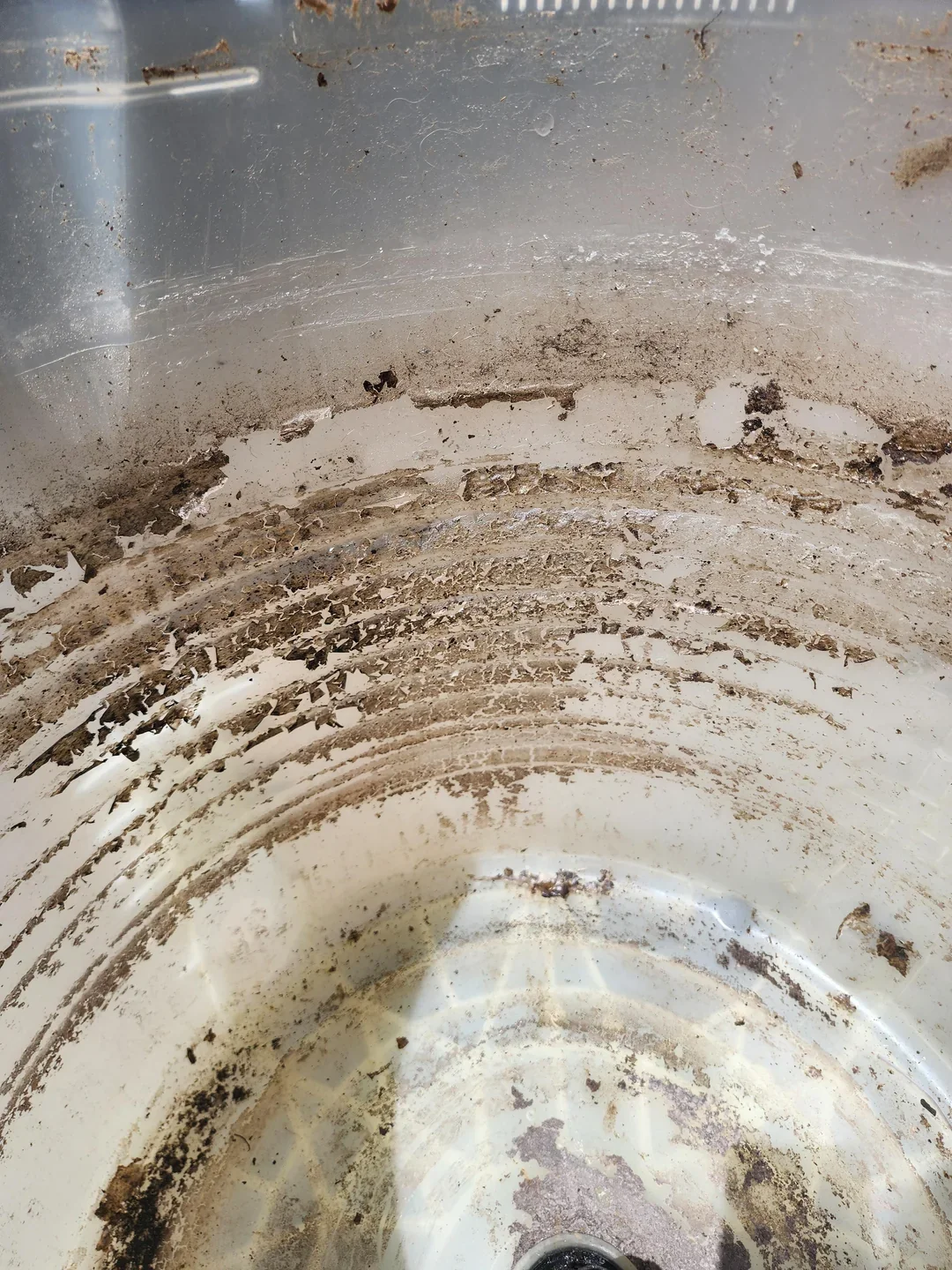
This washer looked perfectly normal from the inside. Once disassembled, years of detergent residue, fabric softener buildup, lint, body oils, and mold were revealed between the wash basket and outer tub.
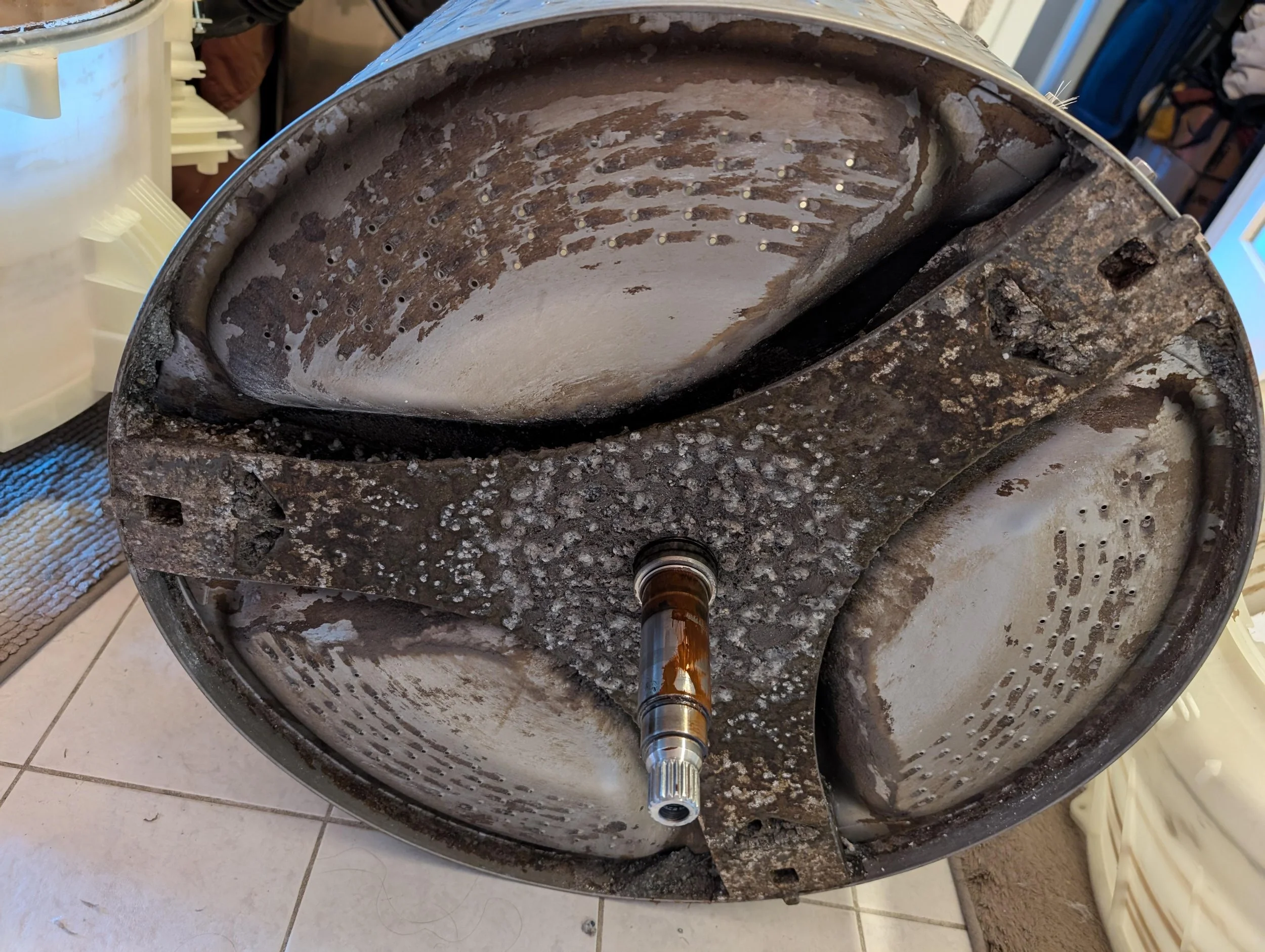
When customers tell me their clothes don't smell clean anymore, this is often what I find hidden inside the machine.
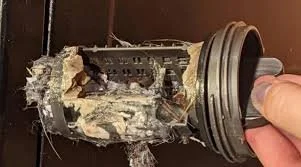
A clogged drain filter packed with lint, hair, fabric fibers, and debris. Regular maintenance helps prevent drainage issues and odors.
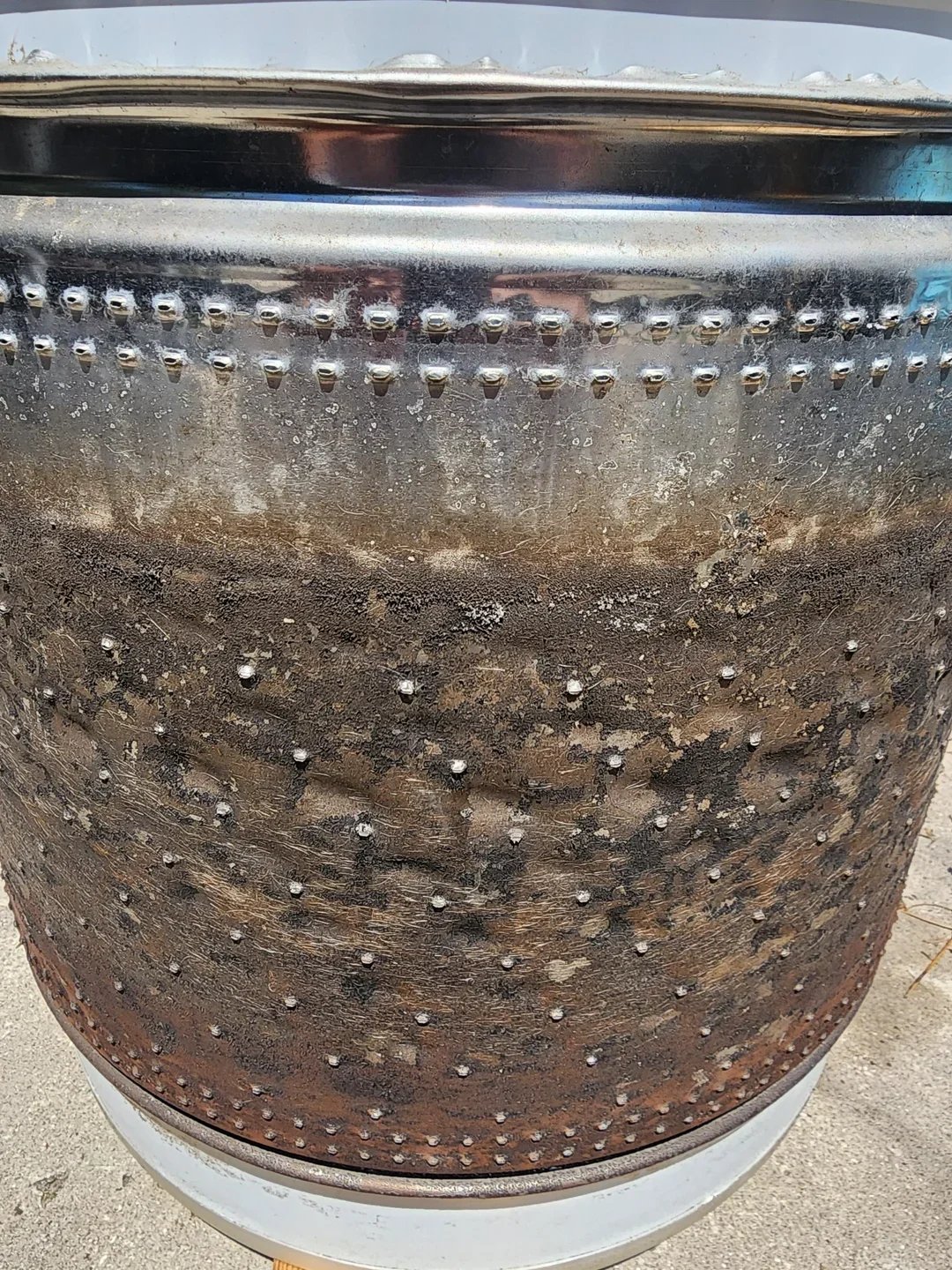
The wash basket may look clean where you load clothes, but the outside often tells a very different story.
What Should You Use
To
Clean Your Washer?
One of the most common questions I get is:
"Steven, what should I run through my washer to clean it?"
For most homeowners, I recommend using a washer cleaner specifically designed for modern washing machines.
Products such as:
Affresh® Washer Cleaner
Tide® Washing Machine Cleaner
Manufacturer-approved washer cleaners
can help break down residue and reduce odor-causing buildup.
My Recommendation
✓ Run a Clean Washer cycle once every month.
✓ Use a washer cleaning tablet during that cycle.
✓ Use the proper amount of detergent.
✓ Go easy on fabric softener.
✓ Use the Extra Rinse option occasionally.
✓ Leave the door or lid open after washing.
Those simple habits prevent most of the odor and buildup problems I see in the field.
The Two-Minute
Habit
That Prevents Mold
If you own a front-load washer, this one habit can save you countless headaches.
After the last load of the day:
Leave The Door Slightly Open
That small amount of airflow helps moisture escape and dramatically reduces mold growth.
Also wipe the door gasket periodically and remove any debris trapped inside.
It's one of the easiest maintenance tasks you can perform.
The $20 Part That
Can
Cause Thousands In
Damage
Few homeowners ever think about their water hoses.
Until one bursts.
A failed washer hose can release hundreds of gallons of water into a home in just a few hours.
Replace Rubber Hoses Every 3–5 Years
Replace Stainless Braided Hoses Every 5–10 Years
Inspect them annually for:
Cracks
Bulges
Rust
Leaks
Kinks
If your washer still has factory rubber hoses, upgrading to stainless braided hoses is one of the cheapest ways to protect your home.
The Cost Of A
Washer Leak
In my experience, washer leaks often cause more damage to the home than they do to the washer itself.
I've seen failed hoses damage flooring, drywall, cabinets, and trim long before the homeowner realized there was a problem.
A hose replacement is inexpensive.
Water damage rarely is.
A Five-Minute
Annual
Inspection
Once a year, pull your washer away from the wall and inspect:
✓ Water hoses
✓ Drain hose
✓ Water connections
✓ Signs of leaks
✓ Rust or corrosion
✓ Excessive vibration
✓ Water stains on the floor
Those five minutes can prevent some very expensive surprises.
Final Thoughts From
The
Repair Truck
After years of working on appliances, I've learned something simple:
Most washers don't fail because they're poorly built.
They fail because they're poorly maintained.
The customers who get the longest life from their washers aren't necessarily the ones who bought the most expensive machine.
They're the ones who use it correctly.
Use the right cycle.
Don't overload it.
Use the proper amount of detergent.
Run monthly Clean Washer cycles.
Replace aging hoses before they fail.
Do those simple things and your washer will reward you with years of dependable service.
Because the cheapest repair is the one you never have to make.
And if you ever need help, Simpson Maintenance Services is only a phone call away.
Need help with an appliance?
Simpson Maintenance Services provides appliance repair, installation, preventative maintenance, and service agreements throughout Northwest Alabama and Northeast Mississippi.
📞 Call or Text: 205-712-1056
About The Author
Steven Simpson is the owner of Simpson Maintenance Services, serving Northwest Alabama and Northeast Mississippi since 2016. Steven specializes in appliance repair, installation, preventative maintenance, and service agreements. Over the years, he has repaired thousands of household appliances and helped homeowners avoid costly repairs through routine maintenance and education.